

Living with a fragrance sensitivity turns everyday spaces into unpredictable battlegrounds for your lungs. First, a casual walk through a retail store exposes you to heavy body sprays and scented air fresheners. Suddenly, your chest tightens and your airways constrict without warning.
Next, sitting in a freshly cleaned room or near someone wearing strong perfume triggers uncontrollable sneezing, intense sinus pressure, and even a low-grade fever. As a result, routine social gatherings, office meetings, or quick errands rapidly turn into terrifying health crises. Consequently, you must constantly rely on rescue inhalers, antihistamines, and prescription medications just to breathe normally again.
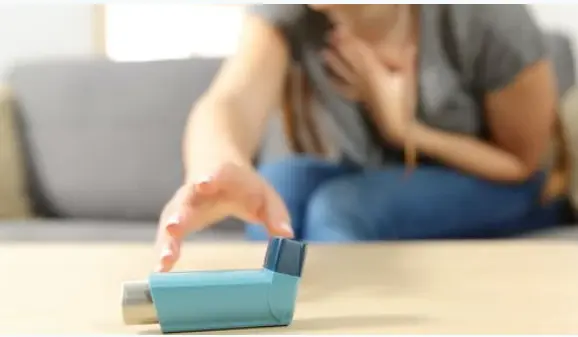
Fortunately, you can take control of your immediate environment by eliminating hidden chemical triggers. Since artificial scents in personal care products linger directly on your skin and off-gas into your breathing zone all day, switching to truly fragrance-free skincare is essential. If you want to explore broader lifestyle shifts or understand more about chemical exposure, you can read our guide on hair products scams, manufacturing secrets, and marketing myths.
By removing these synthetic perfumes, phthalates, and volatile compounds, you instantly reduce your daily toxic load. Therefore, adopting a clean, fragrance-free routine protects your sensitive airways, stabilizes your skin barrier, and brings peace of mind back to your daily life. For comprehensive care tailored to different skin types, you can also browse our top-rated collections such as the Top 7 Best Natural Cleansers for Every Type of Skin and the Top 7 Best Moisturizer For Dry Sensitive Skin in 2026.
Key Fragrance Ingredients That Trigger Asthma
Fragrance chemicals can trigger asthma symptoms through two distinct mechanisms: direct bronchial irritation and allergic sensitization.
For individuals with hyper-reactive airways, chemical vapors rapidly stimulate nerve endings in the throat and lungs. This induces bronchospasm (airway narrowing), inflammation, excess mucus production, and coughing or wheezing.
Fragrance formulations often contain dozens to hundreds of synthetic and natural compounds. The primary ingredients responsible for triggering airway reactions include:
1. Volatile Organic Compounds (VOCs)
- Examples: Ethanol, acetone, ethyl acetate, benzaldehyde, and methylene chloride.
- How They Act: VOCs easily evaporate into the air at room temperature. Inhaling these gas-phase chemicals directly irritates the lining of the upper and lower respiratory tracts, causing immediate airway constriction and burning sensations. American Lung Association+ 1
2. Phthalates (e.g., DEP – Diethyl Phthalate)
- Role: Used as solvents and fixatives to make scents linger longer on skin or in the air.
- How They Act: Phthalates release persistent fumes that can aggravate existing asthma, increase airway hypersensitivity, and contribute to systemic immune reactions over time. American Lung Association
3. Terpenes & Essential Oils (Natural Compounds)
- Examples: Limonene, pinene, linalool, eugenol, and citrus/pine extracts. irp.cdn-website.com
- How They Act: Despite being marketed as “natural,” terpenes oxidize quickly when exposed to indoor air or ozone. This reaction creates secondary pollutants (such as formaldehyde and ultrafine particulate matter) that intensely irritate sensitive airways. American Lung Association
4. Synthetic Musk & Petrochemicals
- Examples: Galaxolide, Tonalide, and coal-tar derivatives. Asthma.net
- How They Act: These bio-accumulative compounds are derived from petroleum or coal tar to provide heavy base notes. They acts as potent respiratory irritants and frequent skin sensitizers. Asthma.net+ 1
5. Preservatives & Masking Agents
- Examples: Formaldehyde releasers, parabens, and benzophenone.
- How They Act: These chemicals prevent microbial growth or neutralize unpleasant odorous base ingredients. Inhaling them triggers acute bronchial spasms and sinus congestion. Oklahoma Allergy & Asthma Clinic
How to Avoid Fragrance Triggers
1. Decipher Product Labels Correctly
- Look for “Fragrance-Free”: This label guarantees that no fragrance chemicals or masking agents were added. irp.cdn-website.com
- Avoid “Unscented”: “Unscented” products often contain chemical masking agents that neutralize scent to make the product smell plain, but those masking chemicals can still provoke an asthma attack. irp.cdn-website.com
- Check INCI Lists: Steer clear of terms like Fragrance, Parfum, Aroma, Essential Oil Blend, Limonene, or Linalool.
2. Eliminate Environmental Air Pollutants
- Ditch Aerosols & Diffusers: Avoid aerosol sprays, plug-in air fresheners, scented candles, incense, and ultrasonic essential oil diffusers, all of which aerosolize irritants into your immediate breathing zone. American Lung Association
- Switch Household Essentials: Use fragrance-free laundry detergents, fabric softeners, dishwasher detergents, and household cleaners. American Lung Association
3. Improve Indoor Air Quality
- Use HEPA & Activated Carbon Filtration: High-Efficiency Particulate Air (HEPA) filters capture fine particles, while activated carbon filters absorb airborne gaseous VOCs and fragrance chemicals.
- Maximize Ventilation: Keep indoor spaces well-ventilated by opening windows or running exhaust fans to prevent chemical vapors from concentrating indoors. American Lung Association
4. Manage Workplace and Social Exposure
- Establish Fragrance-Free Spaces: Encourage workplace, school, or home “Fragrance-Free Zone” policies. American Lung Association
- Carry Rescue Medication: Keep prescribed quick-relief inhalers (e.g., albuterol) accessible whenever navigating public environments where heavy synthetic perfumes may be present.
Here are 7 top-rated, truly fragrance-free moisturizers available on Amazon. They are formulated without masking scents, essential oils, or volatile organic compounds (VOCs), making them safe for both highly reactive skin and sensitive airways.
1. Vanicream Daily Facial Moisturizer
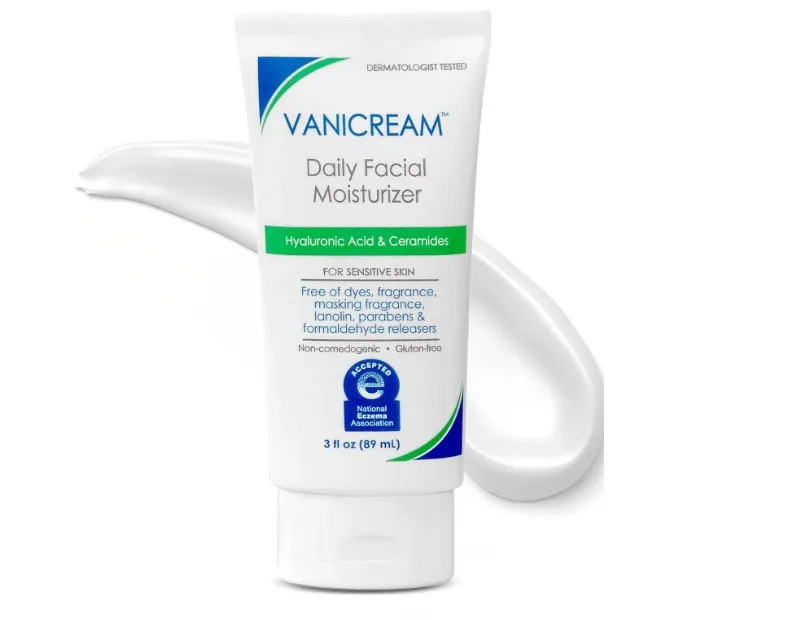
Why it’s appropriate: Developed alongside Mayo Clinic dermatologists specifically for patients with severe contact allergies and chemical sensitivities. It eliminates the top common chemical allergens.
- Key Ingredients: 5 Essential Ceramides, Hyaluronic Acid, Squalane, Glycerin.
- Pros:
- Free of fragrance, dyes, parabens, lanolin, and formaldehyde releasers.
- Lightweight texture that absorbs quickly without clogging pores.
- Awarded the National Eczema Association Seal of Acceptance.
- Cons:
- May feel a bit light for extremely dry skin in harsh winter months.
2. La Roche-Posay Toleriane Double Repair Face Moisturizer
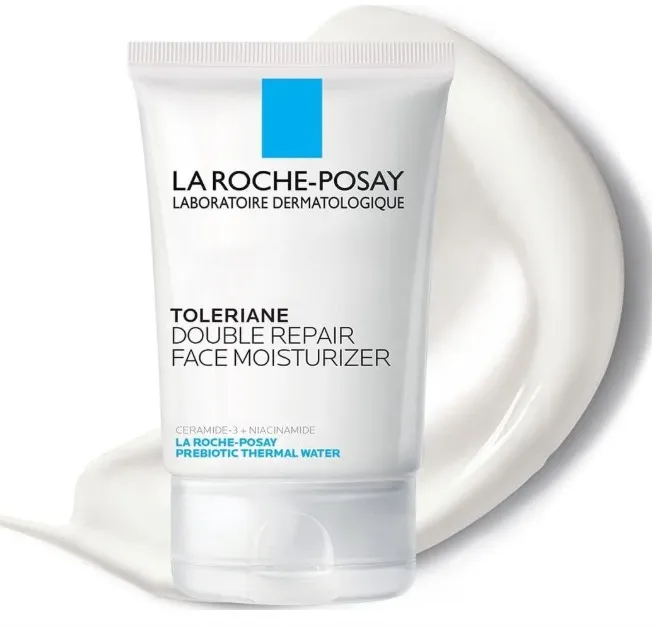
Why it’s appropriate: Designed for sensitive skin, this prebiotic cream helps restore the skin’s physical barrier while maintaining zero airborne fragrance irritants.
- Key Ingredients: Ceramide-3, Niacinamide, Glycerin, La Roche-Posay Prebiotic Thermal Water.
- Pros:
- Provides up to 48-hour hydration while repairing the skin barrier.
- Niacinamide actively soothes redness and facial inflammation.
- Non-comedogenic and leaves a soft, non-greasy finish.
- Cons:
- Can occasionally pill if layered over heavy oil-based serums.
3. CeraVe Moisturizing Cream
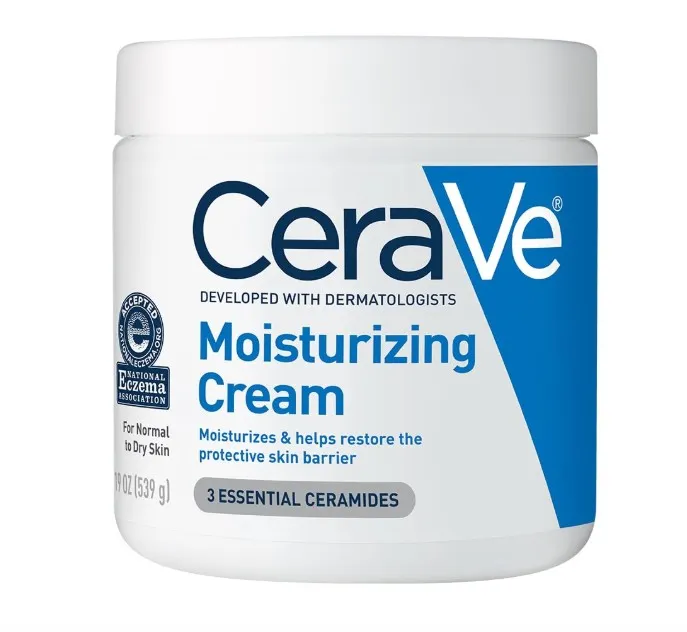
Why it’s appropriate: A gold-standard barrier recovery cream that is completely unscented and tested for allergic skin conditions.
- Key Ingredients: 3 Essential Ceramides (1, 3, 6-II), Hyaluronic Acid, Petrolatum.
- Pros:
- Uses MVE Technology for time-released moisture throughout the day.
- Rich, deeply hydrating formula that is safe for both face and body.
- Budget-friendly with high volume per container.
- Cons:
- The tub packaging requires using clean hands or a spatula to prevent contamination.
- Rich texture may feel too thick for daytime under hot/humid weather.
4. Aveeno Calm + Restore Oat Gel Moisturizer
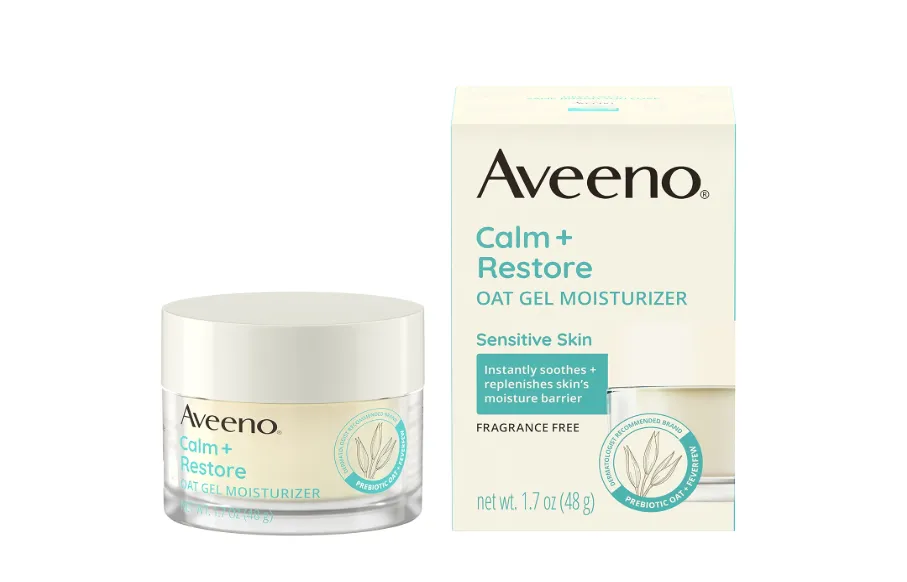
Why it’s appropriate: Specifically formulated for irritated, reactive skin. It relies on soothing oat derivatives instead of synthetic fillers or fragrance chemicals.
- Key Ingredients: Prebiotic Oat Flour, Feverfew, Glycerin.
- Pros:
- Instant cooling gel-cream texture that calms immediate skin redness.
- Fast-absorbing, oil-free, and hypoallergenic formula.
- Completely free of fragrance, parabens, phthalates, and alcohol.
- Cons:
- Comes in a smaller jar size (1.7 oz) compared to traditional cream tubs.
5. Avène Tolerance Control Soothing Skin Recovery Cream
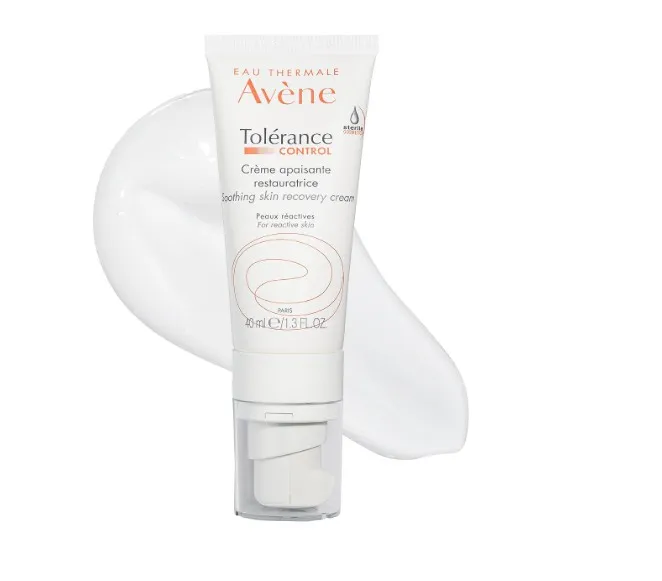
Why it’s appropriate: Features a sterile packaging mechanism that blocks air and bacteria, allowing the formula to be completely free of both fragrances and chemical preservatives.
- Key Ingredients: Avène Thermal Spring Water, D-Sensinose (post-biotic soothing agent), Shea Butter.
- Pros:
- Minimalist ingredient list (hyper-safe for reactive skin and sensitive airways).
- Calms skin tightness, burning, and tingling within 30 seconds.
- Completely sterile pump design.
- Cons:
- Higher price point per ounce.
6. Cetaphil Rich Hydrating Cream for Face
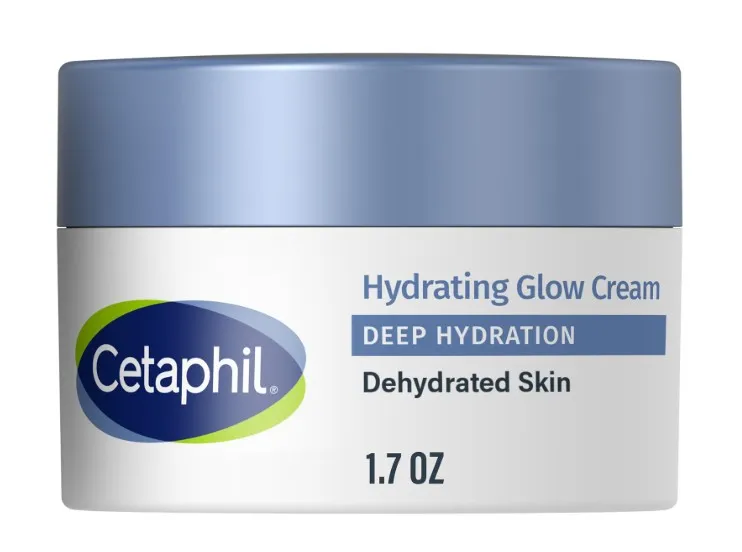
Why it’s appropriate: A non-irritating night cream formulated without added scents or masking agents, making it safe for overnight barrier repair.
- Key Ingredients: Hyaluronic Acid, Pro-Vitamin B5, Vitamin E, Olive Extract.
- Pros:
- Delivers immediate, intense hydration for dry skin without feeling heavy.
- Non-comedogenic and dermatologist-tested on sensitive skin.
- Will not trigger respiratory responses while sleeping.
- Cons:
- Contains small amounts of botanical derivatives (olive extract) which exceptionally rare plant-allergic individuals should patch test first.
7. First Aid Beauty Ultra Repair Cream
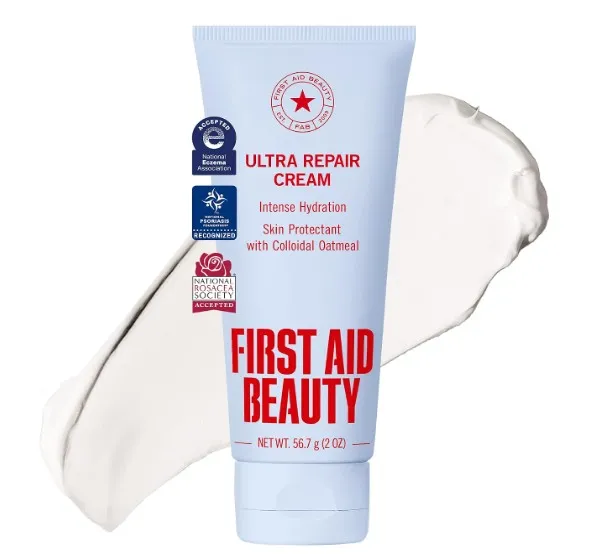
Why it’s appropriate: Formulated as a therapeutic cream for skin compromised by eczema, dermatitis, or severe environmental sensitivity. Be sure to select the Unscented version on Amazon.
- Key Ingredients: 0.5% Colloidal Oatmeal, Shea Butter, Ceramides, Allantoin.
- Pros:
- Colloidal oatmeal relieves skin itchiness and irritation fast.
- Whipped, luxurious texture that absorbs surprisingly fast without leaving a slick residue.
- Safe for sensitive faces and dry body patches.
- Cons:
- Contains Eucalyptus extract in small amounts—while soothing for most skin, individuals with severe plant/terpenoid asthma triggers should double-check their specific triggers.
Quick Comparison Summary
| Product Name | Best For | Texture | Key Feature |
| Vanicream Daily Facial | Severe Allergies & MCS | Lightweight Cream | Zero common chemical allergens |
| La Roche-Posay Toleriane | Redness & Daily Wear | Cream-Lotion | Niacinamide + Prebiotics |
| CeraVe Moisturizing Cream | Dry Skin & Barrier Repair | Rich Cream | Time-released ceramides |
| Aveeno Calm + Restore | Reactive / Flushed Skin | Gel-Cream | Soothing Feverfew & Oat |
| Avène Tolerance Control | Hypersensitive / Rosacea | Rich Soothing Cream | Sterile airless packaging |
| Cetaphil Rich Hydrating | Overnight Moisture | Medium Cream | Hyaluronic Acid boost |
| First Aid Beauty Ultra Repair | Itchy / Eczema-Prone | Whipped Cream | Colloidal Oatmeal relief |
Disclosure: This post contains affiliate links. If you click on these links and make a purchase, we may earn a small commission at no extra cost to you. We only recommend products that meet strict fragrance-free standards to help support reactive skin and sensitive airways. Thank you for supporting our site!
FAQS
A fragrance allergy involves an immune system response, usually causing skin reactions like an itchy, red rash (contact dermatitis), hives, or blisters. Fragrance sensitivity, however, acts as an airway or nervous system irritant—causing immediate coughing, wheezing, sinus pressure, nausea, or headaches without a traditional allergic immune response.
Fragrances release volatile organic compounds (VOCs) that evaporate into the air and act as strong chemical irritants. When inhaled, these airborne gases stimulate sensitive nerve endings in the respiratory tract, causing immediate airway inflammation, bronchospasm (muscle contraction in the lungs), and heavy mucus production
No, “natural” does not mean non-irritating. Essential oils contain volatile plant compounds (like limonene and linalool) that react with indoor oxygen to form chemical secondary pollutants. Inhaling these diffusers or natural oils often triggers coughing, wheezing, and skin sensitizations just like synthetic perfumes.
Respiratory symptoms (like coughing or shortness of breath) usually start within minutes and subside after removing yourself from the scented area, though inflamed airways can take hours to fully calm down. Skin allergic reactions (contact dermatitis) typically appear 12 to 72 hours after exposure and can take anywhere from a few days to several weeks to completely clear up.
Yes, fragrance allergies develop through repeat exposure over time. Your immune system or airways can suddenly become “sensitized” after years of contact with specific scented products. Once a true fragrance allergy or hypersensitivity develops, it usually becomes a lifelong chronic condition
“Fragrance-free” means no added scents, essential oils, or fragrance chemicals were included in the product. “Unscented” products often contain chemical masking agents designed to neutralize the raw smell of ingredients. These masking chemicals can still vaporize and provoke severe asthma flare-ups and skin reactions.


